You care about your patients and you know you're not getting the results that are possible.
Some acupuncturists respond to that feeling with a specialty weekend, a functional medicine certificate, or a doctorate. None of those teach you how to practically use the complete acupuncture system.
The Bloodletting Lab starts where your training left off.
Luo channels use blood to protect the body and must be bled in order to be treated. Blood deficiency is one of the most common diagnoses in the clinic, and luo channel treatment is one of the most effective ways to build blood. Acupuncture schools don't teach this.
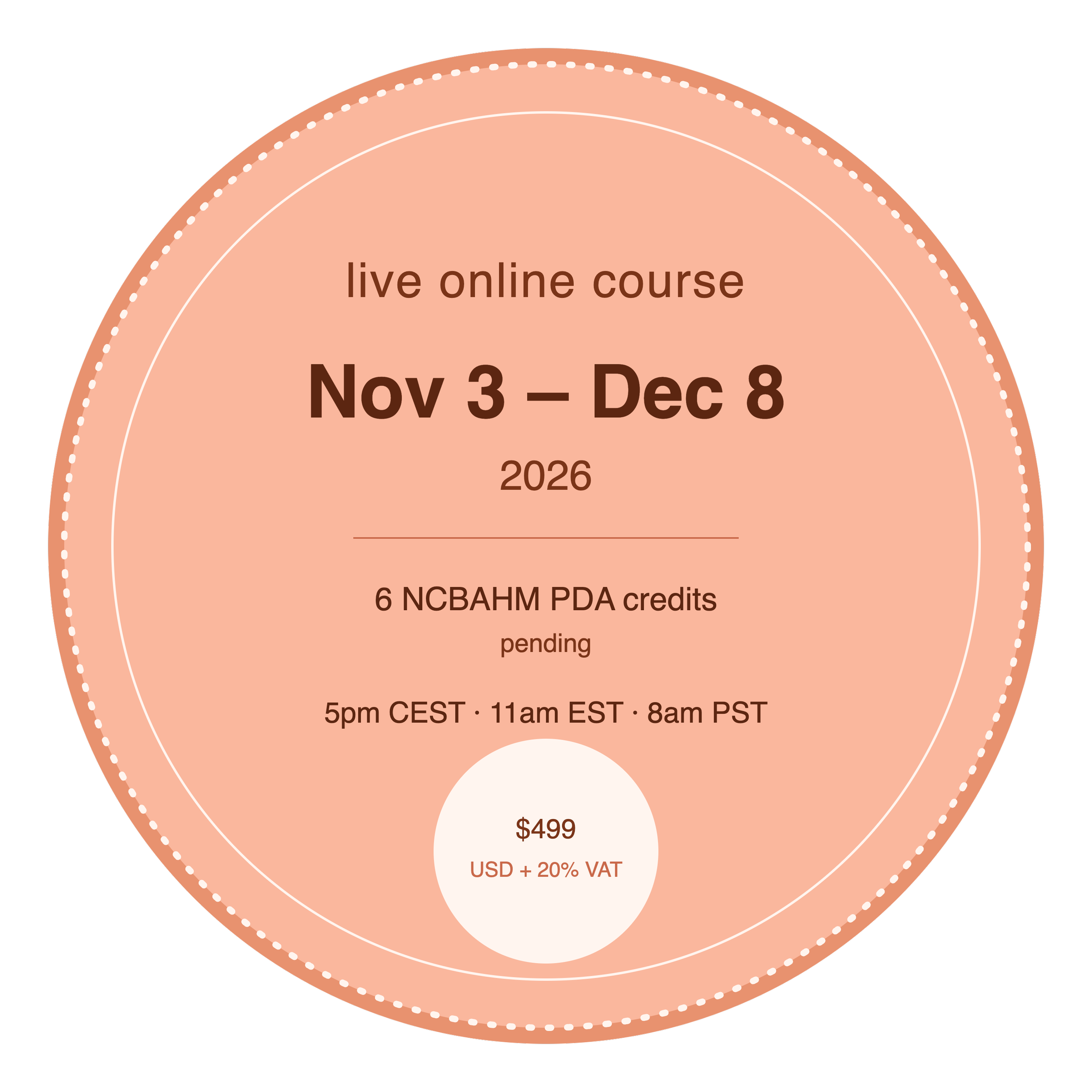
In this six-week online class, you'll go from theory to application so that what you learn on Monday, you can use on Tuesday. The course is recorded and available for replay until December 31, 2026.
If you're ready to use the complete system, this is where you start.
The Bloodletting Lab
Make sure to register before the course closes on October 23rd.
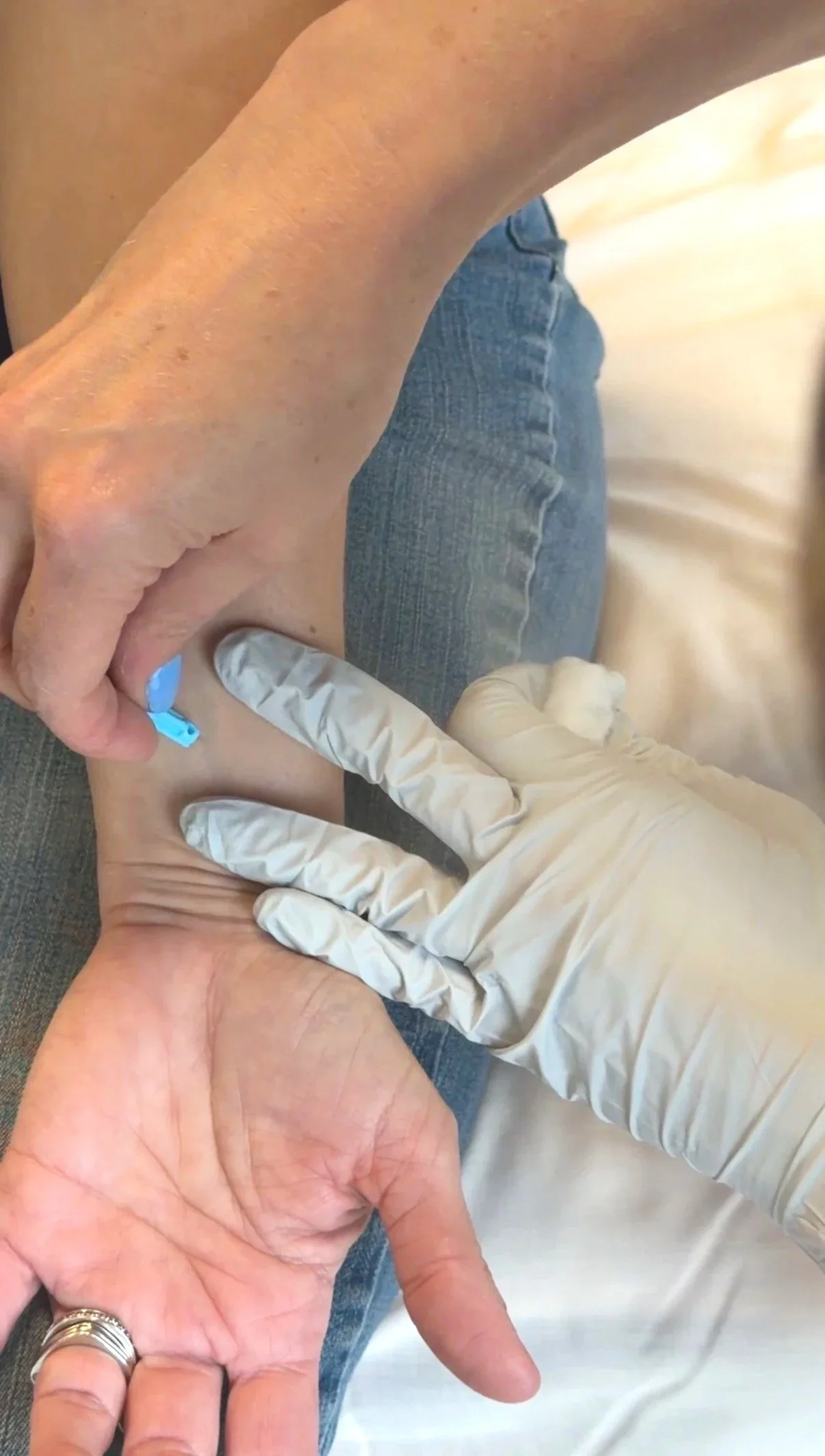
“I’ve seen a number of TCM practitioners over the last 20 years, but nobody has given me the results i’ve gotten from your bleeding treatments”. —patient
The bloodletting lab is for you if
you’ve ever wondered why your blood deficient patients aren’t getting better, even though you’re giving blood building treatments
you’ve been told there are certain conditions you can’t treat
you know emotions affect the body, but you don’t know what to do about it
you’re not currently coaching patients on their diet
you have a long intake form or ask a lot of questions
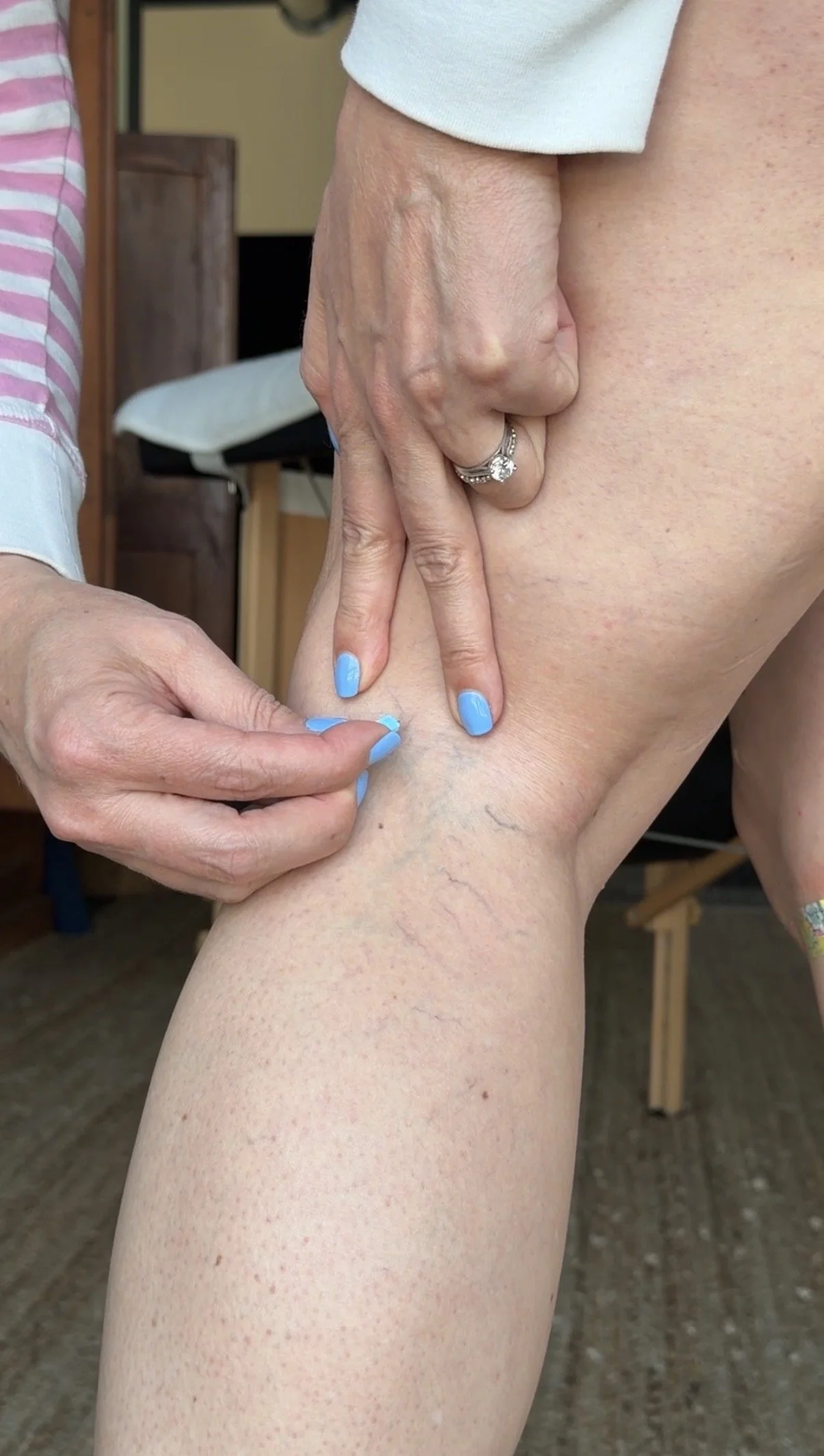
“I’m a nurse practitioner and had a nodule on my neck for a year and a half. I planned to see a surgeon, but after one bleeding treatment, it was gone.” —patient
Bloodletting lab week-by-week
Week 1 & 2: The Theory & Practice of the Luo Channels
In the first two weeks, we’ll cover the brief history of TCM & the difference between it and the complete channel system so that you understand how the complete channel system works as an operating system using different groups of channels.
Then, we’ll cover the basic functions of the primary channels, the emotions associated with each channel, & the common signs and symptoms that appear as a result of the luo channels.
You’ll learn how to diagnose & treat both types of luo channels, & at the end of the second class, you’ll be ready to start self-treatment. treating yourself will be a very important part of your learning experience.
There will be time during class to ask questions and get support with your self- diagnosis before you get started, so make sure you attend these classes live.
Week 3: The Importance of Treating Luos + Dietary Therapy
Luos often play a critical role in the development of illness, ranging from a cough to autoimmune disease. This week’s class will dive into how treating the luos clears heat, builds blood, and prevents pathology from going deeper into the body.
In relation, understanding chinese medicine dietary principles is critical to supporting the treatment, as we work to rebuild the resources (medium) required for healing. We’ll cover the general concepts, including what to add to the diet & what to avoid, as well as discuss the energetics of common dietary trends.
Week 4: Thoughts, Emotions, & Clinical outcomes
Acupuncture is intended to be an invitation to change, not simply a quick in & out appointment targeting one annoying symptom—nor a place to just “vent”.
Emotions are created by our thoughts, but most of haven’t been taught to question our thoughts. We just believe everything we think, not realizing how this influences our emotions!
Emotions affect the channel, organ, and fluid system, creating deficiency that leads to disease. therefore, helping people question the thoughts that are leading to their feelings is critical for increasing our clinical effectiveness.
Week 5: Case Discussions
In this week’s class, we will be discussing these concepts, as well as doing an individual exercise (privately) to support the self-treatment you are doing.
Week 6: Review, Questions, and Live Remote Treatment
In this last week, we will review anything you have questions about, check-in regarding self-treatment outcomes, and then do a live, (remote or in-person, tbd) luo treatment with a guest volunteer from outside the class.
This will allow you to see the intake & diagnostic process, as well as the actual remote treatment.
The Bloodletting Lab is open to acupuncturists, as well as non-acupuncturists who are serious about learning Chinese medicine for self-treatment.
required course materials